The month of May is the month of Haji Malcolm X and also the month of African Liberation Day (ALD), and it brings with it instructive histories and ever renewed commitments of continued and victorious struggle. Indeed, both the Black liberation struggle in the US and Haji Malcolm’s central role in it and the liberation struggles on the African continent offer us a rich and ongoing resource for reflective gleanings from our shared histories of righteous and relentless resistance. ALD is a day of gathering to reinforce the bonds between us. And it is a day of reflection, remembrance and recommitment, of discussion and decision-making that builds strengths for our continuing liberation struggles. And at the heart of all our struggles is the shared goal and the awesome responsibility of liberating Africa as a continent and world community, harness and control our human and material resources, uplift and enrich the lives of the masses of our people, and as Nana Osagyefo Kwame Nkrumah urged, return to the stage of human history as a self-conscious and powerful “force for good in the world”.
Indeed, as Nana Mwalimu Julius Nyerere stresses, our central and sustained efforts must be for the liberation and upliftment of our people. Thus, he states that “all the reasons for African unity can be summed up in one phrase – the welfare of the people of Africa”. And this refers to all Africans everywhere, throughout the global African community, continental and diasporan Africans. And I note and reaffirm the goals and goods, as Mwalimu put forth, of freeing our people from oppression, poverty, internal war and conflicts, and creating a context of security and peace infused and undergirded with justice, are still to be achieved and enjoyed.
The 1960s were decades, as we say, when the fires of freedom raged with revolutionary intensity on the continent and in the diaspora and around the world. And we were confident that Nana Frantz Fanon was right, that we were morally compelled to dare achieve a new history for Africa and humankind, “set afoot a new human being” and create a new context for their flourishing. Certainly, we were conscious of the power, perversity and missing human parts of the oppressor, but we believed a people united and conscious of its enemy and itself could not be defeated. We reasoned that yes, a people in revolutionary motion could be interrupted, delayed, and even experience devastating setbacks, often interpreted as defeats. But ultimately, if they embraced a radical refusal to be defeated, they could not and would not be defeated and would eventually be victorious.
It is here that the concept and practice of audacious assertiveness is so essential and it is this spirit that we must recapture if we are, as Haji Malcolm said, “liberate ourselves from the bonds of white supremacy” and build the good world we all want and deserve to live in. When we speak of audaciousness and audacious assertiveness, we mean being self-consciously daring, defiant, fearless, innovative, risk-taking, outrageously in opposition to oppression, and again irreversibly committed to a radical refusal to be defeated. And it means daring to believe in our people and their capacity to be themselves and free themselves, and create and share goodness in the world. It perhaps will seem more aspiration than reality to talk of defeating the international corporate system of oppression and predation involving various forms of anti-human activity, i.e., imperialism, enslavement, colonialism, settlerism, genocide, ecocide and the savagery that accompanies them. But this has been the nature of our struggle to defy all odds and refuse to be disarmed, dispirited or diverted from the ultimate goal of liberation and ever higher levels of human life.
Here, I think of Nana Harriet Tubman, her courage and commitment, her refusal to be deterred by the odds against her and our people, remembering and daring to regain the freedom of our people who supported her and the freedom struggle. I think of Nana Jacob Marenga of Namibia, master strategist and tactician, uniting the ethnic groups into a fighting force and liberation movement and defying and defeating the genocidal German oppressors whenever and wherever they could in over 50 battles. And I think of our mother and father and all our mothers and fathers who were not declared soldiers, but in countless ways, contributed to the liberation struggle, kept the faith and held the line on the good, the right and the possible.
Clearly, we must love and serve our people, especially if we emerge as leaders. For as Nana Dr. Mary Mcleod Bethune taught us, “the measure of our progress as a (people) is in precise relation to the depth of faith in our people held by our leaders”. Nana Amilcar Cabral teaches us that “We must practice revolutionary democracy in every aspect” of our lives, i.e., shared power, inclusive participation, respecting each other, each other’s work and our shared responsibilities. And in doing the work and waging the struggle for liberation, he says, we must “Mask no difficulties; tell no lies; and claim no easy victories”.
As I have maintained since the 60s, following Nana Fanon, everything depends above all on the consciousness, capability and commitment of the masses of our people and our relationship with them. So all programs for African liberation must place their needs at the top of any agenda worthy of the name. And always and everywhere maximum participation of the people in building their own lives and future and choosing their ways and movement forward is indispensable. For the needs of the people are real and they deserve and have a right to a good, meaningful and fulfilling life.
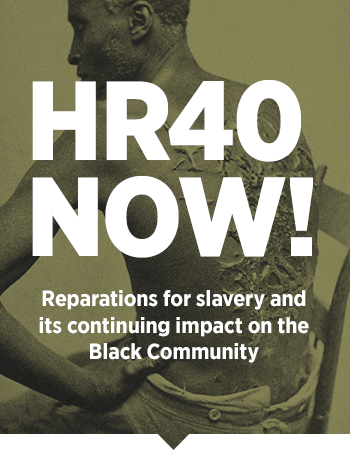
In addition, we must continue to demand and achieve from our former enslavers and colonizers and current oppressors: long overdue reparations; debt cancellation; the end of resource robbery by corporations through predatory proxy armies, dictators and corrupt officials; return of riches stolen and compensation for those unrecoverable; and the end of violation of the sovereignty and self-determination of the countries of Africa, Haiti and throughout the world African community.
Also, we must continue to build and expand global pan-Africanism, stand in solidarity with all African peoples and other oppressed and struggling peoples of the world. Especially must we oppose the genocidal war armed by the UAE and others in Sudan; the savage imperialist oppression of Haiti; the genocide, ecocide and land theft by Israel against the Palestinian people; the wars of aggression against Lebanon and Iran by Israel and the US, in criminal partnership; and the Trump regime’s immoral and illegal blockade and its gansta threats to Cuba’s welfare, sovereignty and self-determination.
These positions are rooted in our self-understanding and resultant self-assertion as a world encompassing people who know themselves as a key moral and social vanguard in the world. Our task, then, is to know our history and honor it, as our ancestors, in any ways we can in this our time and place and dare to lay the basis for a future worthy of the name and history African.