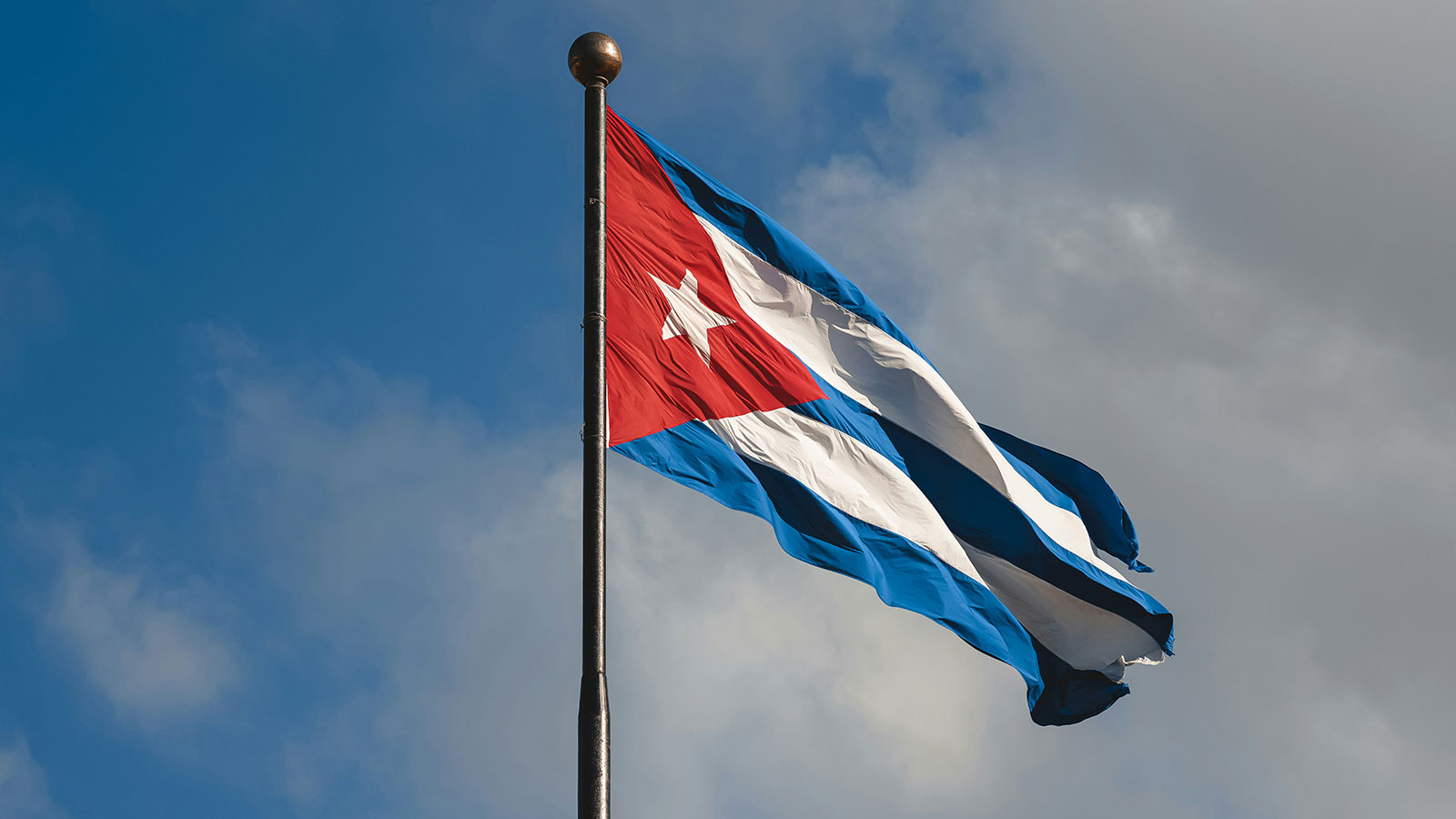
As a member of an IBW21/PAUD delegation that traveled to Cuba this year, I remain concerned about the welfare of the people on this island nation. A few days ago we were privileged to meet with Bruno Rodríguez Parrilla, minister of Foreign Affairs of the Republic of Cuba, and while it was a meeting strictly off the record, we did have an opportunity to view an amazing exhibit of photos documenting Fidel Castro’s visit to Harlem in 1960.
Rather than divulge any of the discussion with Chancellor Parrilla, I will cite some of the comments he shared with the press about a new report on the U.S. blockade. “The long months living with only two or three hours of electricity a day or less; food spoiling, heat that makes it impossible to sleep, parents fanning their babies, children doing their homework in near darkness, young people without internet access or recreation, grandparents without television, or sometimes even radio — all family life damaged,” he related. The report from Cuba’s foreign ministry on Sept. 17 was an annual summary of the devastating results of the lengthy U.S. economic blockade of Cuba. It is a report arriving in time for the yearly vote on the U.N. General Assembly on the Cuban resolution.
According to the report on the resolution, it states the “necessity of ending the economic, commercial, and financial embargo imposed by the U.S. against Cuba.” It also denotes that the vote will take place on Oct. 28-29.
For nearly a generation, U.N. members have approved this resolution, and customarily it has been rejected mainly by the U.S. and Israel. Among the most distressing things about the 55-page report is the extent to which the blockade has menacingly touched every facet of Cuban life. Reading the report is like witnessing a relentless bombing of Cuba. The report puts the U.S. blockade in political and historical context, beginning most consequentially with the Monroe Doctrine of 1823, authored by President James Monroe, that basically warned European nations not to interfere or create new colonies in the Western Hemisphere — in effect, leaving that feast to the U.S. There is no better recent example of this than the toppling of the Venezuelan government of Nicolas Maduro, an intervention that hampered its material support of Cuba.
The report is extensive, but two things stand out for me: the designation of Cuba as a state sponsor of terrorism, whereby Cuba loses access to international loans and payments due from abroad; and the ramifications of this blockage of economic provisions and how it impacts medical, educational, and scientific venues.
To some degree, Cuban livelihoods are gravely stymied by the loss of tourism, with the report noting a $2.5 billion loss. Equally disturbing is the loss in industry (goods and services) totaling $5.1 billion. All the figures above are based on stats from last year.
For more proof of the blockade’s impact on Cuban life, take a few minutes to read the report (misiones.cubaminrex.cu/en). More than that, take a little more time to help spread the word about the need to do what we can to end the blockade. Doing this may take only a few words, only a moment’s notice to engage in a conversation, much like the one we had with Chancellor Parrilla.
Originally published by the New York Amsterdam News, October 1, 2026.