
Source: Franco Bonghan, LinkedIn
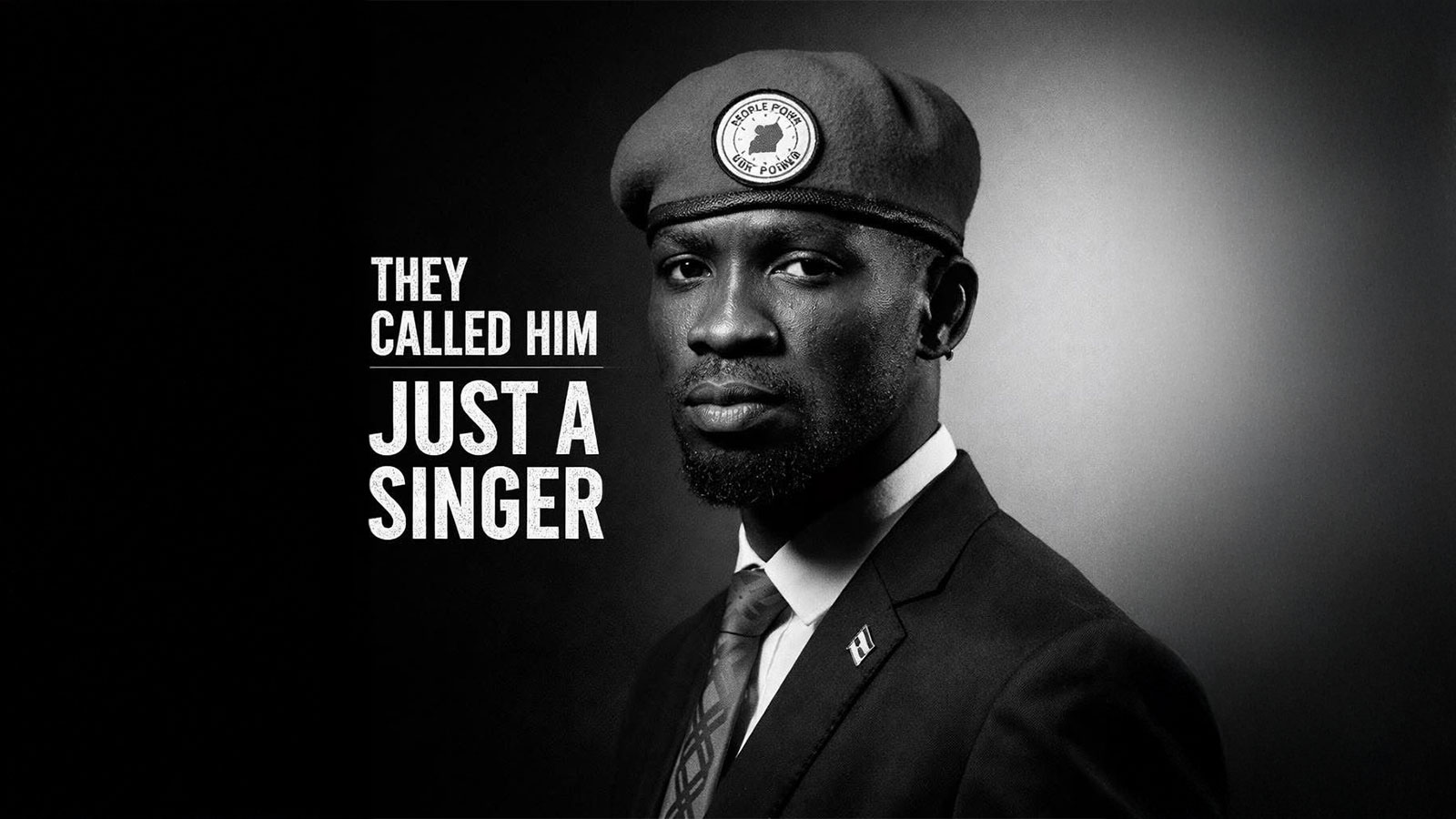
Bobi Wine was supposed to be just a singer. That miscalculation tells you everything about how afraid Uganda’s establishment is of ordinary people finding their voice. In the 2021 election, a young movement behind a 38‑year‑old artist‑turned‑organiser still managed to officially win about 3.6 million votes, roughly 35% of the presidential tally, despite internet shutdowns, arrests, violence, and military deployment. In a country where roughly three‑quarters of the population is under 30 and more than half are children under 17, that was not just a campaign; it was a demographic warning shot.
This is exactly the story Frantz Fanon tried to warn us about. He described Africa’s “national bourgeoisie” as a class that replaces the coloniser while preserving the same structures of fear, corruption, and extraction, “a profiteering caste” more interested in privileges and foreign contracts than in building institutions for the majority. Uganda fits the script: elections as tribal censuses, security forces as instruments of regime survival, and a political class behaving like commission agents for external interests while youth unemployment, under‑employment, and frustration rise. Bobi Wine is dangerous to that order not because he holds office, but because he reminds millions of young Ugandans that influence begins with courage, not position, and that the largest army in any country is still the people.
If Africa is to escape the trap Fanon described, it will not be through strongmen in palaces, but through citizens who refuse to outsource their future. Uganda’s struggle is a continental mirror: either the national bourgeoisie keeps replicating colonial hierarchies, or a new generation forces a different contract, one built on institutions, accountability, and dignity, not fear. In that sense, Bobi Wine is less a person and more a test: of whether Africa’s youth will accept managed democracy, or insist that leadership must finally serve the people whose songs they once dismissed as noise.
Source: Franco Bonghan, LinkedIn