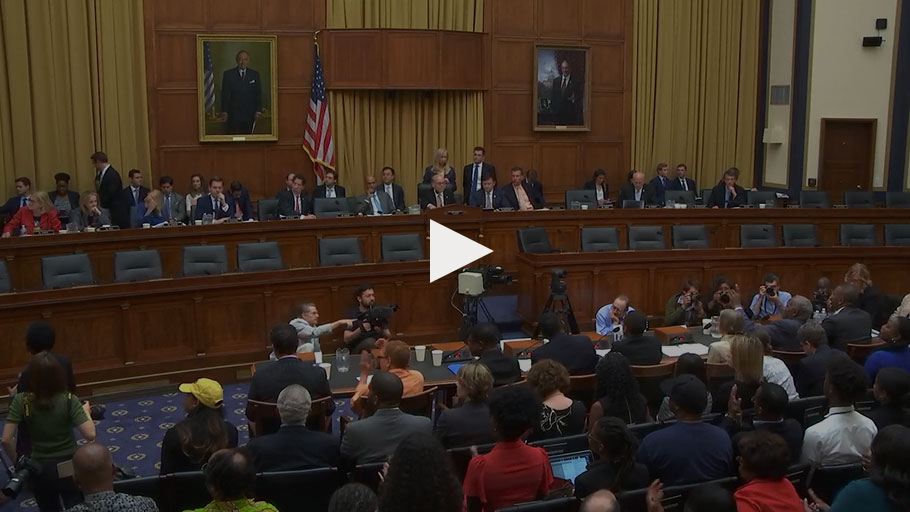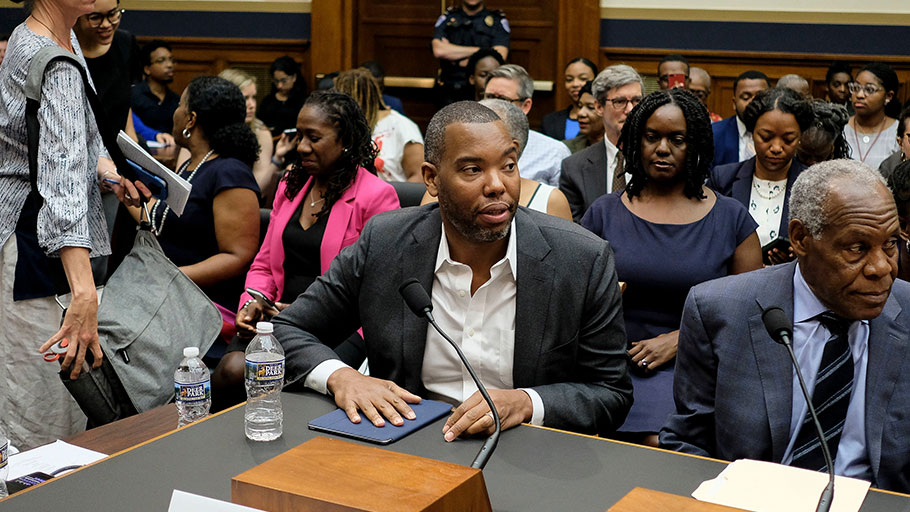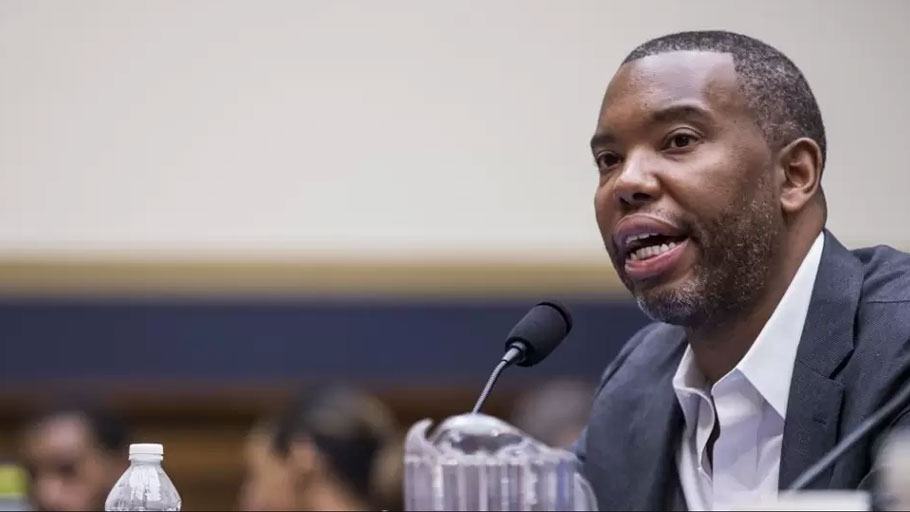
By The New York Times — The writer argued that African-Americans were exploited by nearly every American institution, before and after slavery ended. Ta-Nehisi Coates, whose 2014 article “The Case for Reparations” in The Atlantic rekindled the…
IBW21 (The Institute of the Black World 21st Century) is committed to enhancing the capacity of Black communities in the U.S. and globally to achieve cultural, social, economic and political equality and an enhanced quality of life for all marginalized people.
By The New York Times — The writer argued that African-Americans were exploited by nearly every American institution, before and after slavery ended. Ta-Nehisi Coates, whose 2014 article “The Case for Reparations” in The Atlantic rekindled the…
By Peter Birkenhead — How can it be that, in 2019, writer Ta-Nehisi Coates was forced to give testimony in front of the House Judiciary Committeethat sounded like it could have…
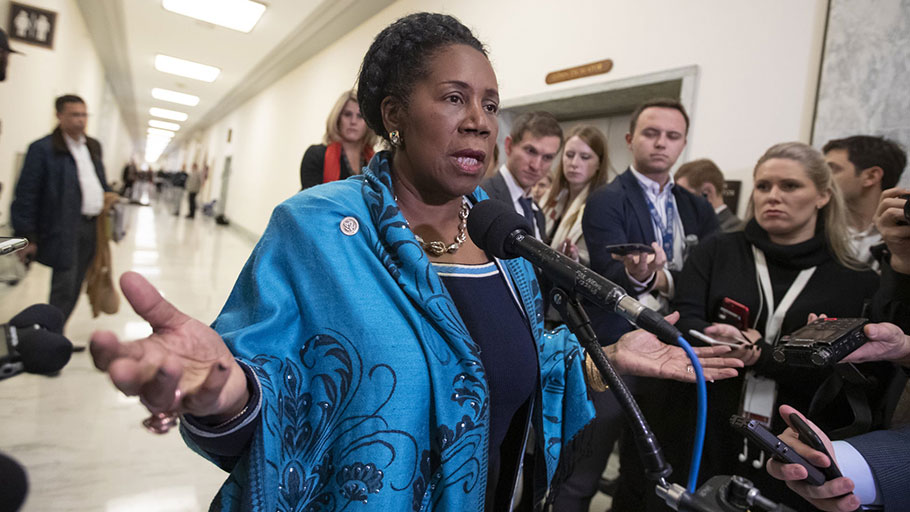
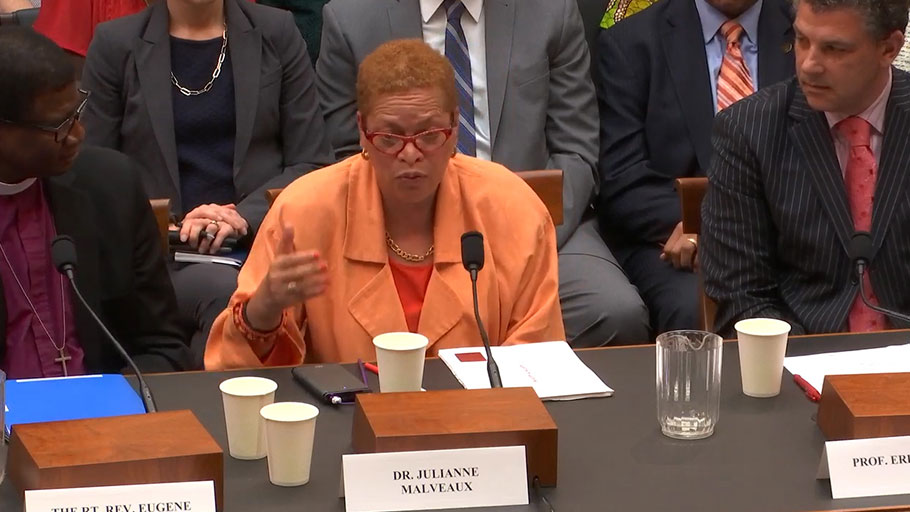
By Lauren Victoria Burke — “These are the vestiges of enslavement that people don’t want to deal with,” said Dr. Julianne Malveaux, the former President of Bennett College. Malveaux testified…
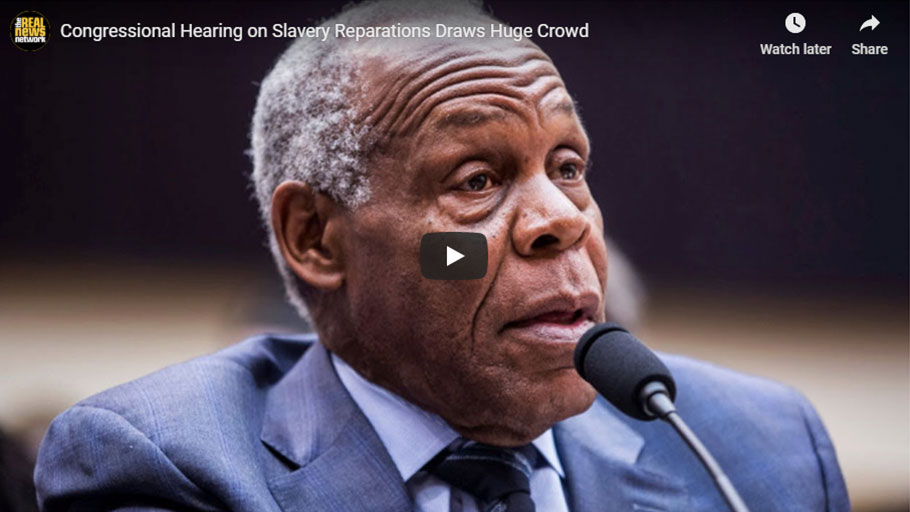
The Real News Network — Large and passionate crowds gathered to witness historians, economists, academics, and politicians testify for the first time in nearly a dozen years on H.R. 40, the landmark House bill to…
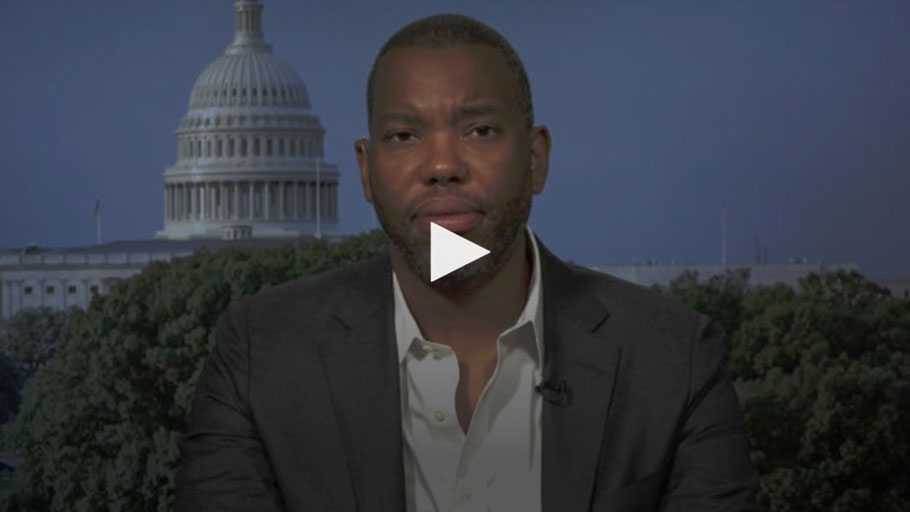
By Amy Goodman & Nermeen Shaikh — On the heels of Wednesday’s historic hearing on reparations, we speak with renowned writer Ta-Nehisi Coates on the lasting legacy of American slavery,…
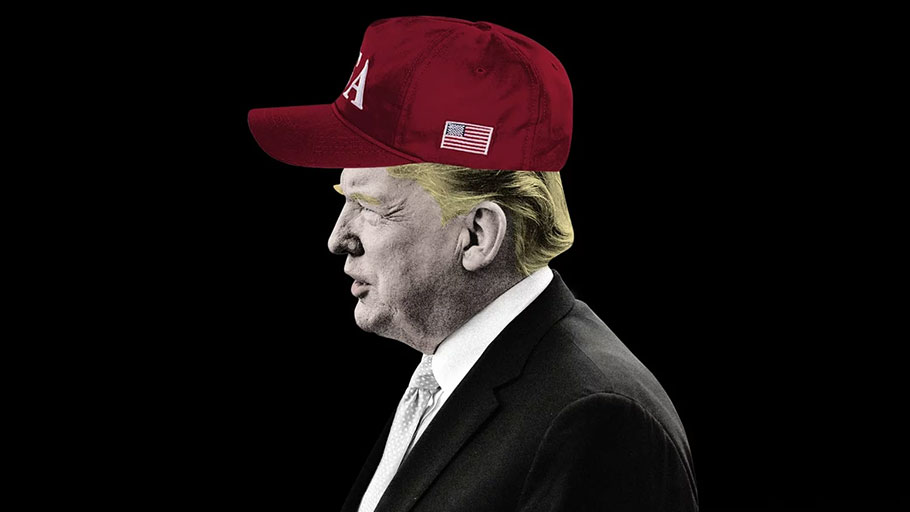
Marking the holiday and wrestling with our troubled past is the way to find the path to a more equitable future. By Barrett Holmes Pitner — With the South rising again on the watch of President Donald Trump, who plans to turn the Fourth of July this year from a celebration of America to a celebration of himself, it’s time for Americans who champion equality to begin celebrating Juneteenth. June…
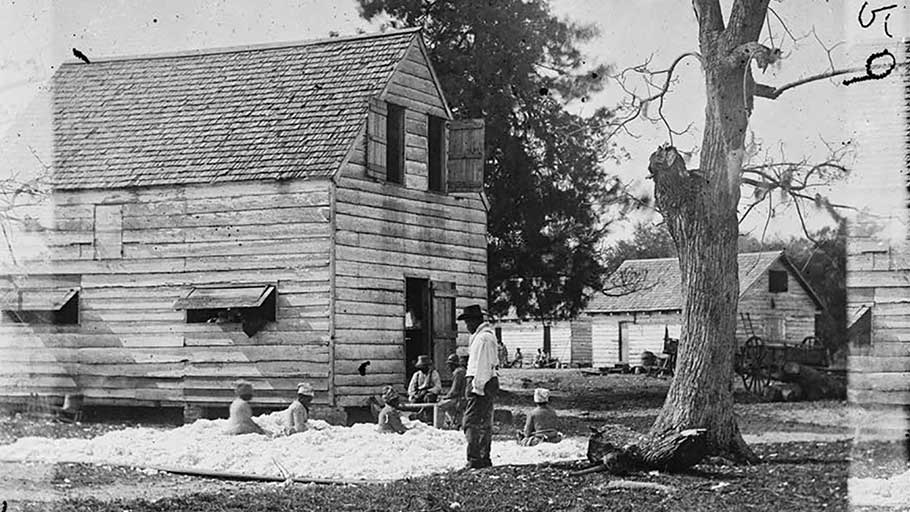
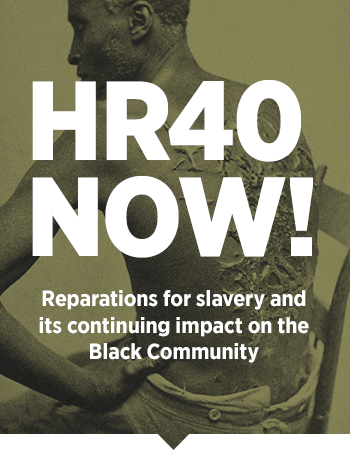
By Katherine Franke — A bill calling for the federal government to “study and consider” how to provide reparations to African Americans for slavery has been introduced into every session of the US Congress for the last thirty years. The bill’s aim is “to address the fundamental injustice, cruelty, brutality, and inhumanity of slavery in the United States and the thirteen American colonies between 1619 and 1865.” Representative John Conyers, the primary sponsor of the…
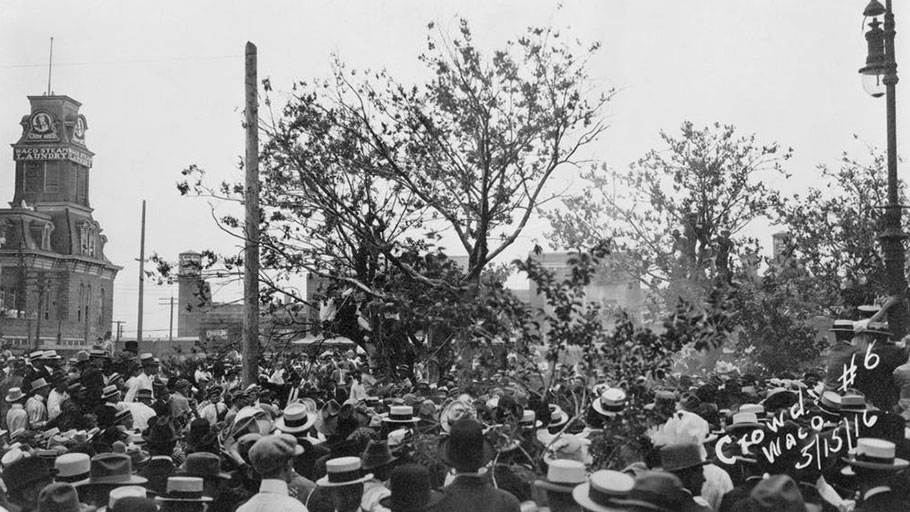
By Kelebogile Zvobgo — Between 1850 and 1950, thousands of African American men, women and children were victims of lynchings: public torture and killings carried out by white mobs. Lynchings were…
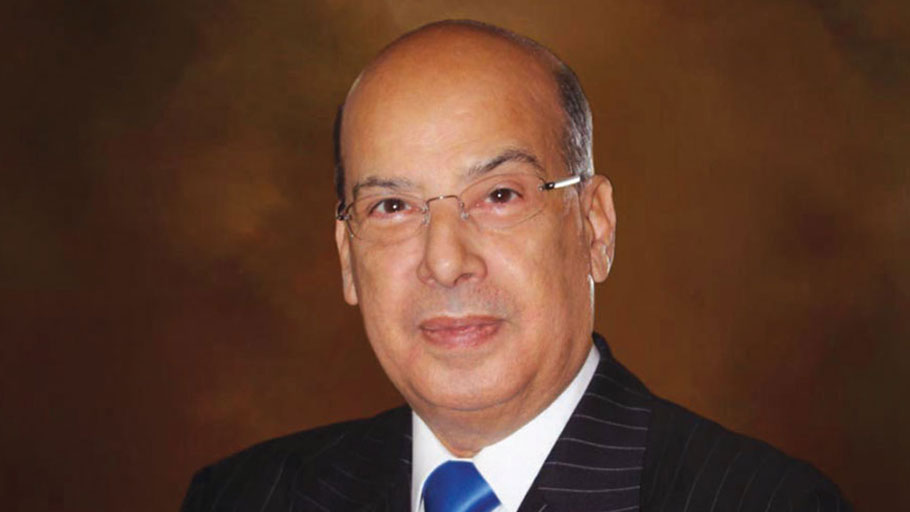
By Sir Ronald Sanders — Make no mistake about it, the election of St Vincent and the Grenadines – one of the world’s smallest states – to a non-permanent seat on the United Nations Security Council (UNSC) is both an important and timely event. The election, primarily by the world’s developing states, has occurred when there is increased intolerance of small states by larger and powerful governments determined to enforce…
By M. Andrew Holowchak — The two most significant issues that led to war between the North and South were, most scholars acknowledge, slavery and states’ rights. Northern states had…
By Nicholas Guyatt — Were the Founding Fathers responsible for American slavery? William Lloyd Garrison, the celebrated abolitionist, certainly thought so. In an uncompromising address in Framingham, Massachusetts, on July 4, 1854, Garrison denounced the hypocrisy of a nation that declared that “all men are created equal” while holding nearly four million African-Americans in bondage. The US Constitution was hopelessly implicated in this terrible crime, Garrison claimed: it kept free…
Father’s Day Events Celebrate Black Fathers, Provide Resources By Sam P. K. Collins — As Father’s Day approaches, the conversation among some Black fathers in the District has focused on…