Tag

Slavery

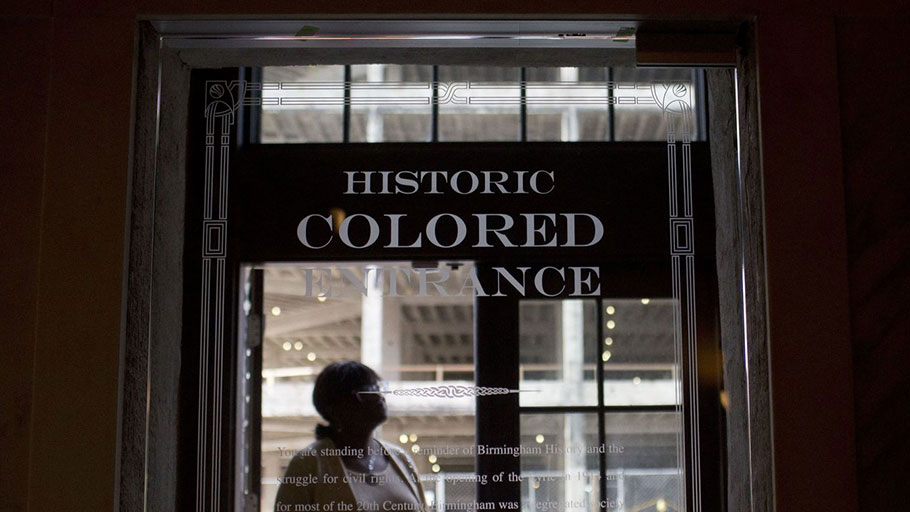
Woman stands in the doorway of then new Historic Colored Entrance at the Lyric Theatre, in Birmingham, Ala

Why Jews should support reparations for slavery

By Commentaries/Opinions, Reparations

By Rabbi Sharon Brous — There is 2,000-year-old rabbinic dispute over what ought to be done if a palace is built on the foundation of a stolen beam. One rabbi, Shammai, argues that the whole structure must be torn down, the beam retrieved and returned to its rightful owner. No home can flourish on a foundation built illegally and immorally. Another rabbi, Hillel, offers a different take: What sense does it make to demolish it? Let the thief pay for the beam, considering its full value as the foundation of what is now a beautiful home. Neither argues that you can pretend, year after year, generation after generation, that the beam wasn’t stolen.


Read More
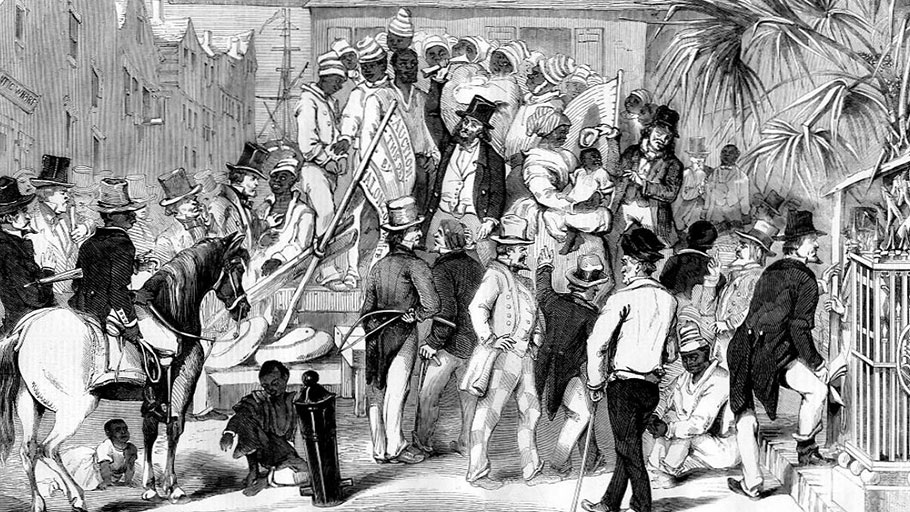
Slave sale, Charleston, South Carolina.

When Emancipation Finally Came, Slave Markets Took on a Redemptive Purpose

By Reparations

During the Civil War, the jails that held the enslaved imprisoned Confederate soldiers. After, they became rallying points for a newly empowered community By Jonathan W. White, Smithsonian — For decades before the Civil War, slave markets, pens and jails served as holding cells for enslaved African-Americans who were awaiting sale. These were sites of brutal treatment and unbearable sorrow, as callous and avaricious slave traders tore apart families, separating…

Read More
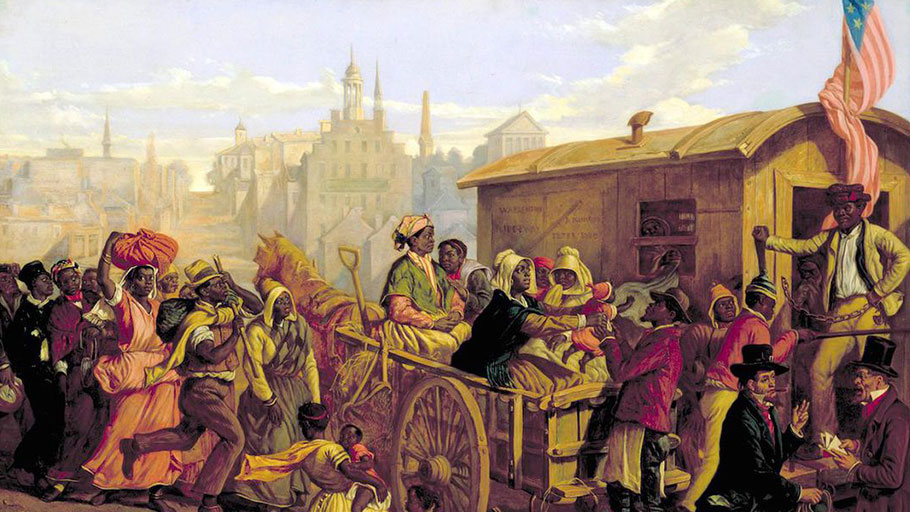
After the Sale: Slaves Going South from Richmond by Eyre Crowe, 1853 (Now hanging in the Chicago History Museum)

The Second Amendment was ratified to preserve slavery

By Commentaries/Opinions, Reparations

By Thom Hartmann, AlterNet — The real reason the Second Amendment was ratified, and why it says “State” instead of “Country” (the Framers knew the difference – see the 10th Amendment), was to preserve the slave patrol militias in the southern states, which was necessary to get Virginia’s vote. Founders Patrick Henry, George Mason, and James Madison were totally clear on that . . . and we all should be too.

Read More
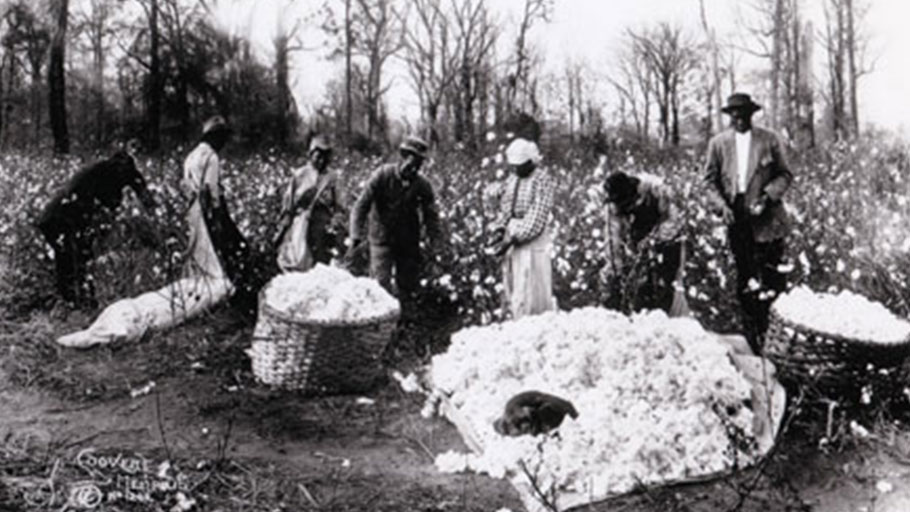
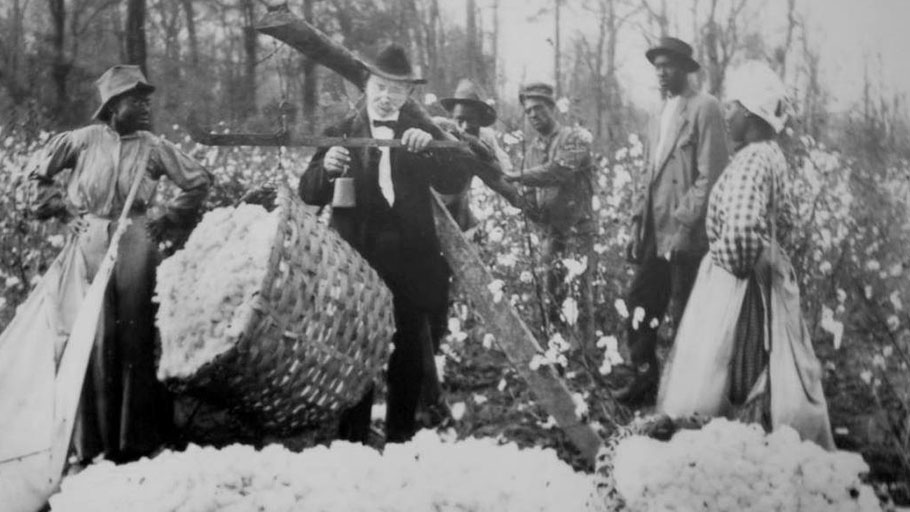
Cotton weighing during harvest time in the Mississippi Delta

To Remake the World: Slavery, Racial Capitalism, and Justice — By Walter Johnson

By Editors' Choice, Reparations

By Walter Johnson — In Memory of Cedric Robinson (1940–2016) It is a commonplace to say that slavery “dehumanized” enslaved people, but to do so is misleading, harmful, and worth resisting. I hasten to add that there are, of course, plenty of right-minded reasons for adopting the notion of “dehumanization.” It is hard to square the idea of millions of people being bought and sold, of systematic sexual violation, natal…

Read More
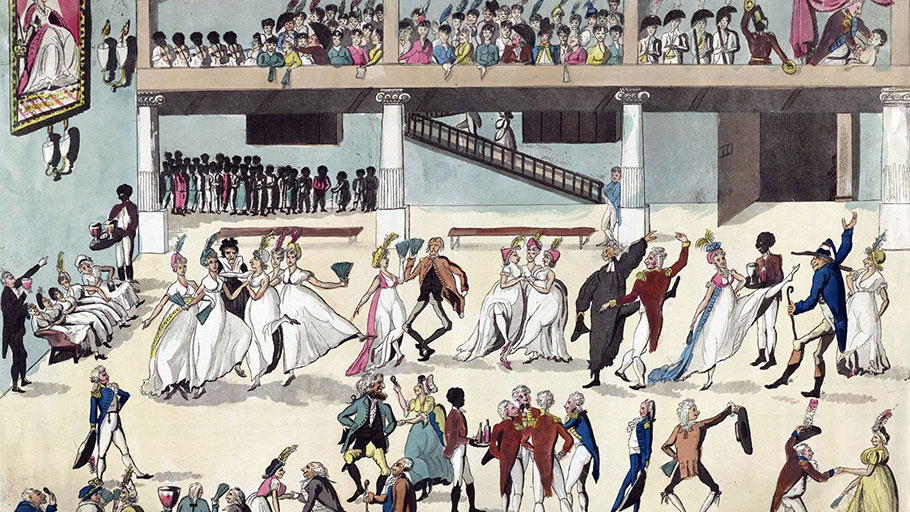
The British Treasury’s tweet shows slavery is still misunderstood

The British Treasury’s tweet shows slavery is still misunderstood

By Commentaries/Opinions, Reparations

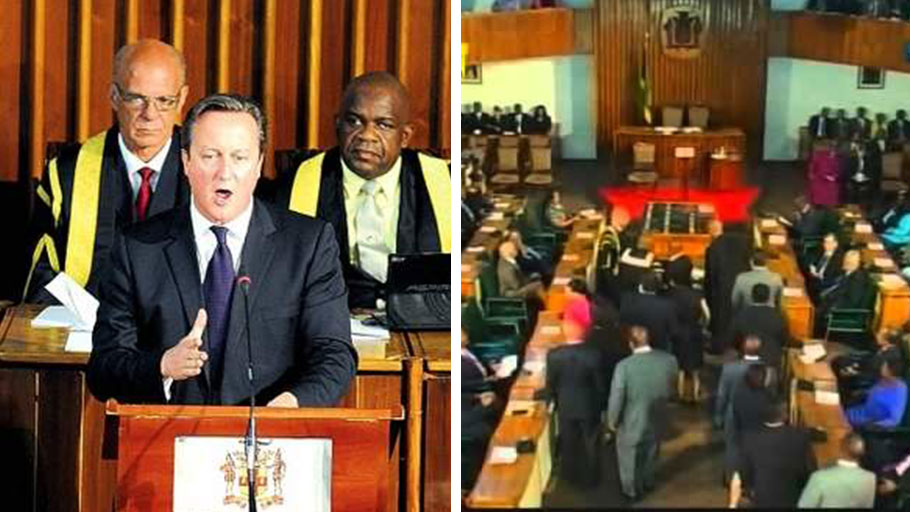
The modern equivalent of £17bn was paid out to compensate slave owners for the loss of their human property. Some people believe we should be proud. By David Olusoga — It is hard to imagine why somebody at the Treasury thought that the subject of slavery was fertile territory from which they might harvest their weekly “surprising #FridayFact”. Just after lunchtime on 9 February the department’s Twitter page presented its third of a million followers with its latest offering. “Millions of you helped end the slave trade through your taxes,” it trumpeted.

Read More
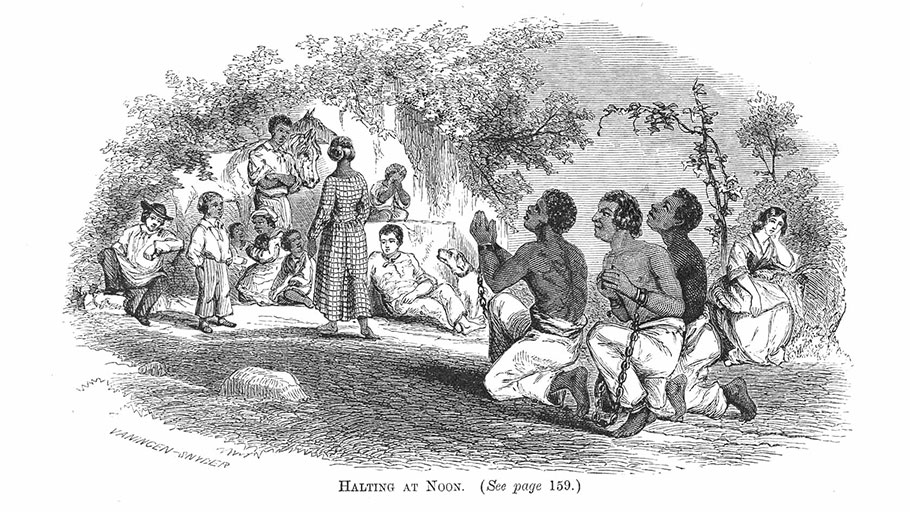
“Halting at Noon,” a wood engraving showing a slave drive through Virginia in the early nineteenth century, 1864

Slavery and the American University

By Commentaries/Opinions, Reparations

By Alex Carp — According to the surviving records, the first enslaved African in Massachusetts was the property of the schoolmaster of Harvard. Yale funded its first graduate-level courses and its first scholarship with the rents from a small slave plantation it owned in Rhode Island (the estate, in a stroke of historical irony, was named Whitehall). The scholarship’s first recipient went on to found Dartmouth, and a later grantee…

Read More