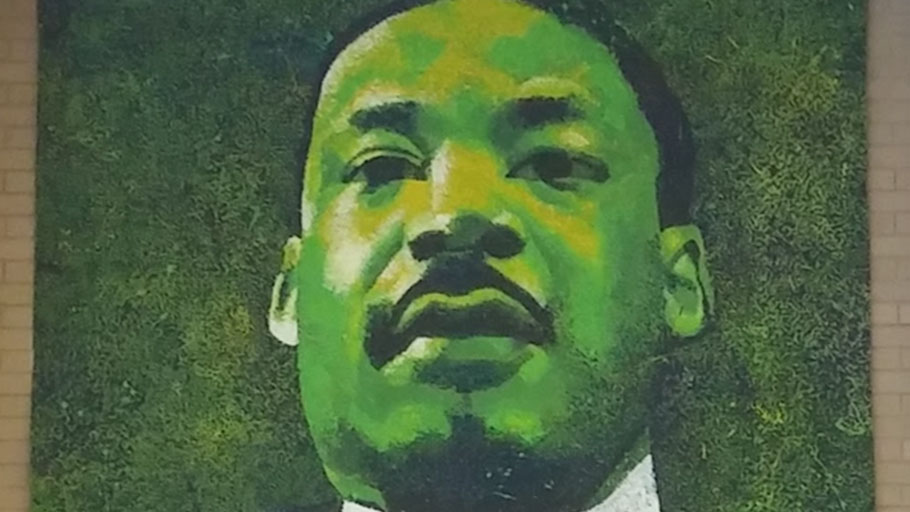
By Alan Singer, HNN — Author’s note: On January 9, 2020 I delivered the Martin Luther King, Jr. tribute lecture at the Uniondale Public Library in Uniondale, New York. The presentation…
By Alan Singer, HNN — Author’s note: On January 9, 2020 I delivered the Martin Luther King, Jr. tribute lecture at the Uniondale Public Library in Uniondale, New York. The presentation…
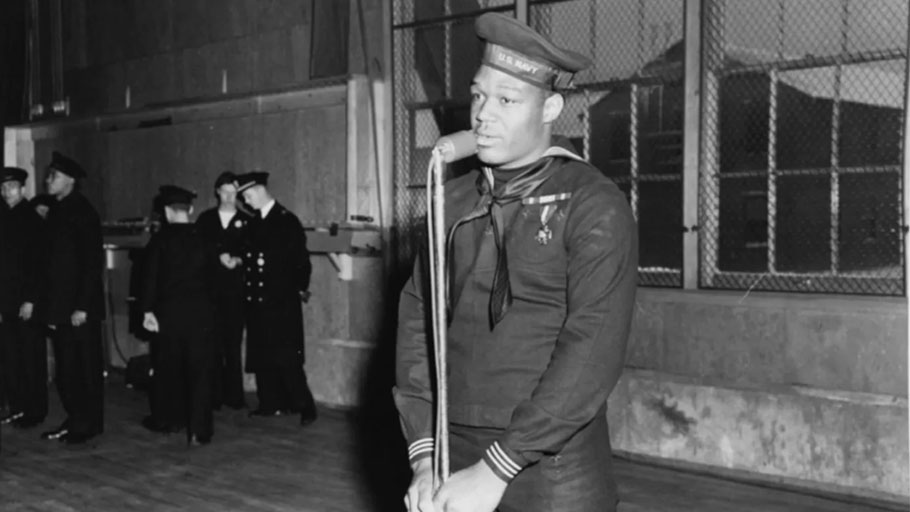
A black mess attendant was a Pearl Harbor hero. Now an aircraft carrier will have his name. By Kim Bellware, The Washington Post — It was just before 8 a.m. aboard the USS West Virginia, anchored in Pearl Harbor on Dec. 7, 1941, when the first torpedo hit. Mess Attendant 2nd Class Doris Miller was deep into the day’s laundry when the blast sent one of his lieutenants racing to…
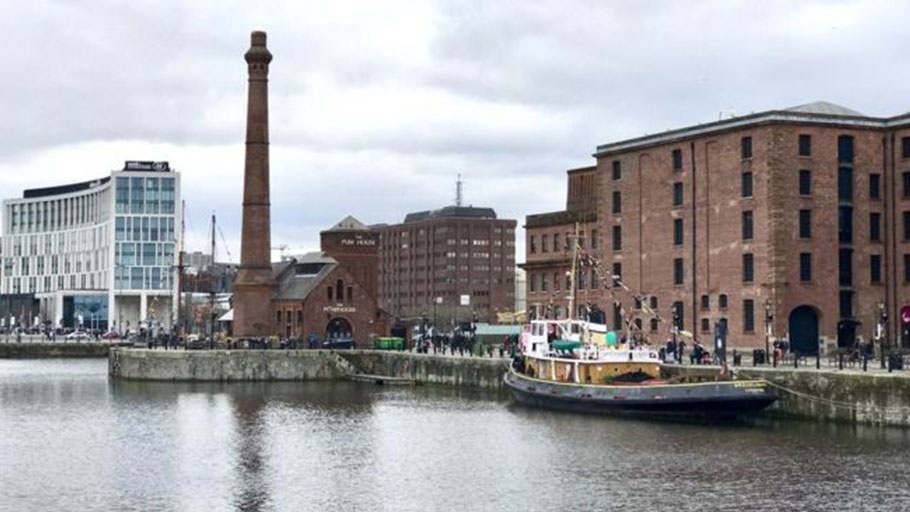
Liverpool could introduce plaques to give an “honest account” of places connected to the slave trade. By BBC News — Much of the city’s 18th Century wealth came from the trade involving British slavers transporting Africans across the Atlantic. Mayor Joe Anderson said paintings, street names and buildings in the city were “important parts of the historical record which should not be concealed”. He is calling for new signs to…
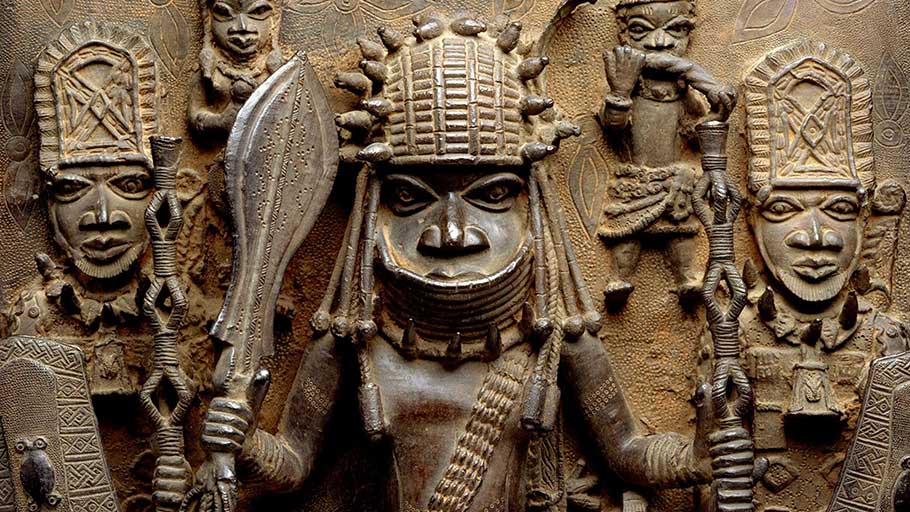
The West focuses only on slavery, but the history of Africa is so much more than a footnote to European imperialism. By Toby Green / Edited by Sam Haselby, Aeon — To understand the complexity and significance of West African history, there is no better thing to do than to go to Freetown. Sierra Leone’s capital is sited in the lee of the ‘lion-shaped’ mountain that gives the country its…
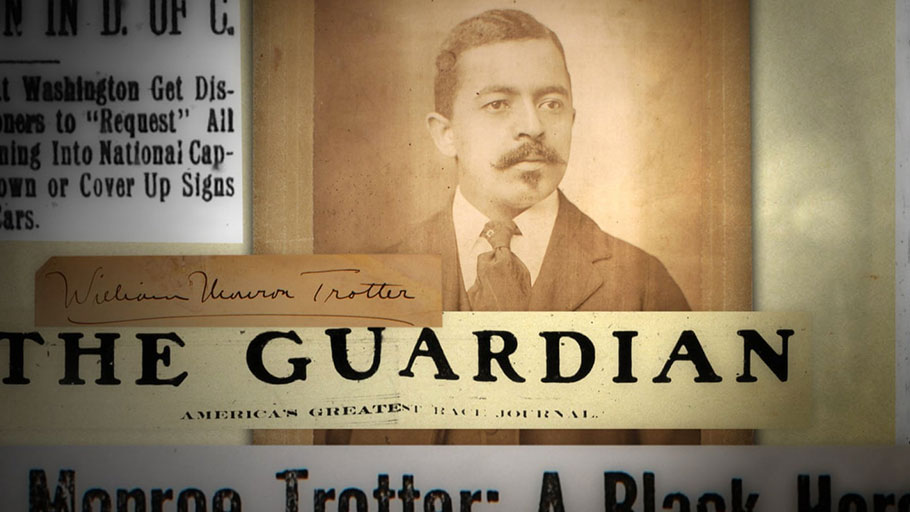
In 1901, William Trotter founded an other Guardian – the Boston Guardian – to ‘hold a mirror up to nature’. We could use something similar today, writes Kerri Greenidge. By Kerri Greenidge — In 1901, William Monroe Trotter founded the Guardian newspaper in Boston. At that time, the more famous Guardian – the one you’re now reading – was published in Manchester, and Trotter had never traveled further than Chillicothe, Ohio.…
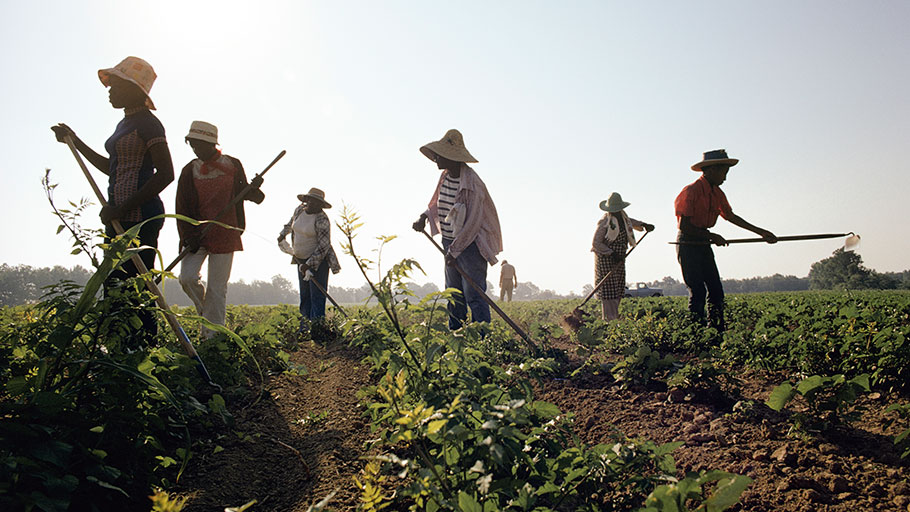
More than 100 years after the Emancipation Proclamation, there were black people in the Deep South who had no idea they were free. These people were forced to work, violently…
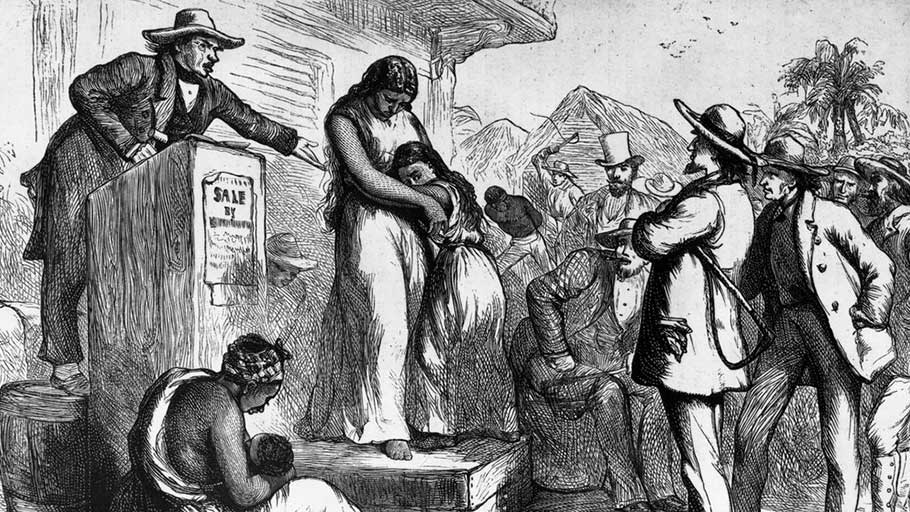
The Dark History of New Year’s Day in American Slavery “Of all days in the year, the slaves dread New Year’s Day the worst of any,” one 1842 account explained….
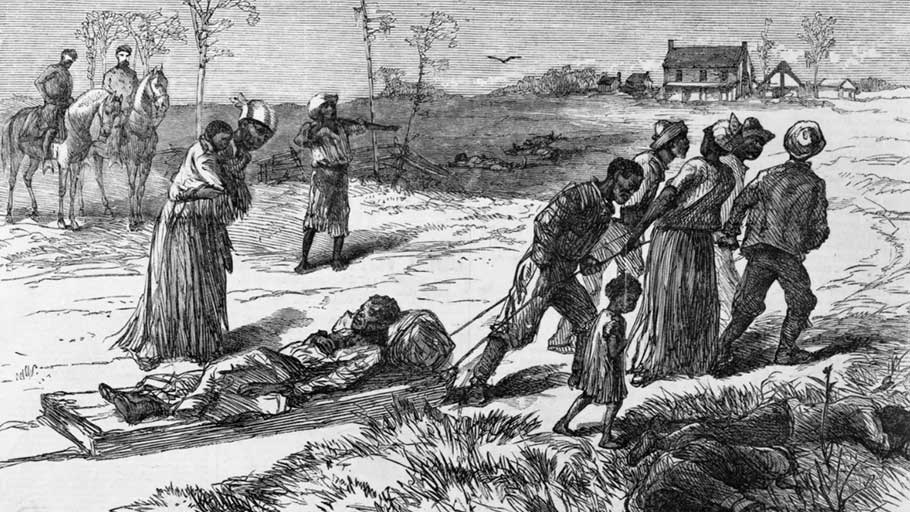
From slavery to Reconstruction to Dylann Roof, the idea of “race war” has a long and bloody legacy in the United States. By Michael E. Miller, The Washington Post — It was high noon on Easter 1873 when the white mob came riding into Colfax. Five months earlier, Louisiana had held its second election since the end of the Civil War and the beginning of black male suffrage. But some…
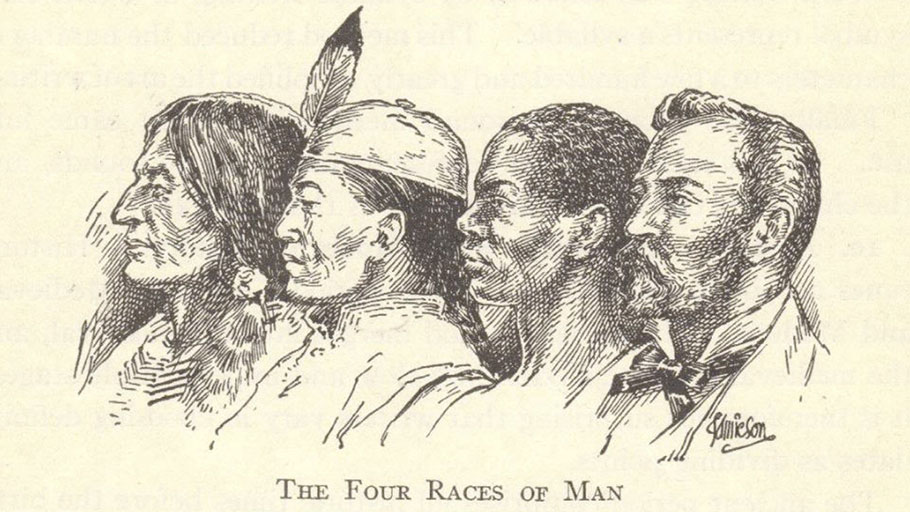
“The white folks had sure brought their white to work with them that morning.” Chester Himes, If He Hollers Let Him Go. By Michael Mark Cohen — On Shouting White…
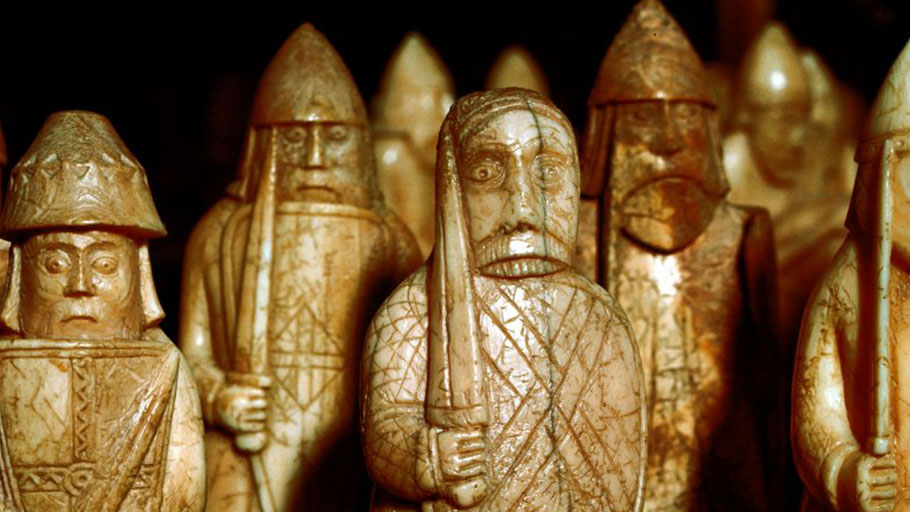
Real Viking society was multicultural and multiracial. So where does the white supremacist vision of their genealogy come from? By Dorothy Kim, Times — After New Zealand passed new gun laws this…
By David Barber, HNN — Just before the Thanksgiving break, flyers appeared on the University of Tennessee at Martin campus asking if students were “PROUD TO BE WHITE?” and suggesting…
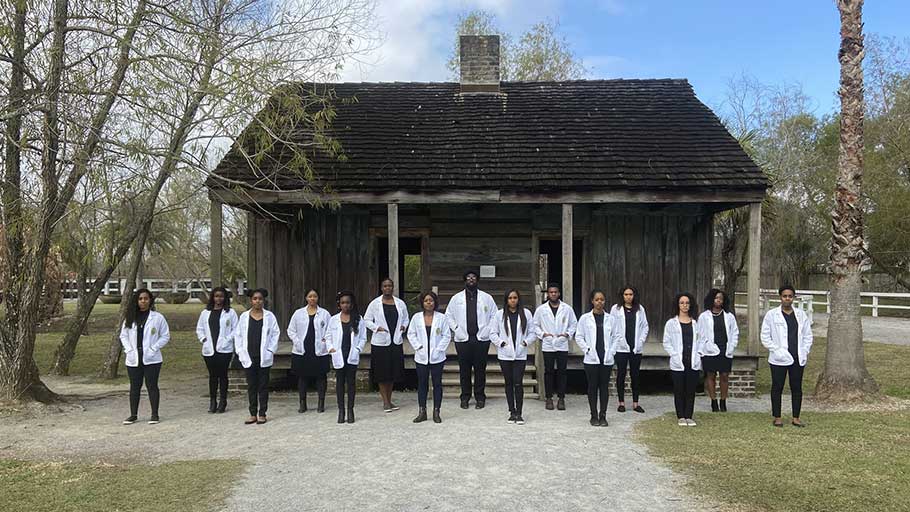
More than a dozen medical students from Tulane University posed at the former slave quarters in the hopes of inspiring others. By Mohammed Syed and Suzanne Ciechalski — It wasn’t by chance that more than a dozen black medical students dressed in white coats and posed outside the slave quarters of a Louisiana plantation. Russell Ledet and classmates from Tulane University planned the trip and photos at the Whitney Plantation…
Here are some quick links to NAARC’s website to help you get involved and stay informed:
• Donate
• What is NAARC?
• What is NAARC’s 10 Point Plan?
• Forums & Conferences
• NAARC News
• Reparations Advocate Sign Up

 |
 |
 |
 |
 |

The Institute of the Black World 21st Century (IBW, IBW21) is committed to enhancing the capacity of Black communities in the U.S. and globally to achieve cultural, social, economic and political equality and an enhanced quality of life for all marginalized people. – Learn more here
© 2026 Institute of the Black World 21st Century.