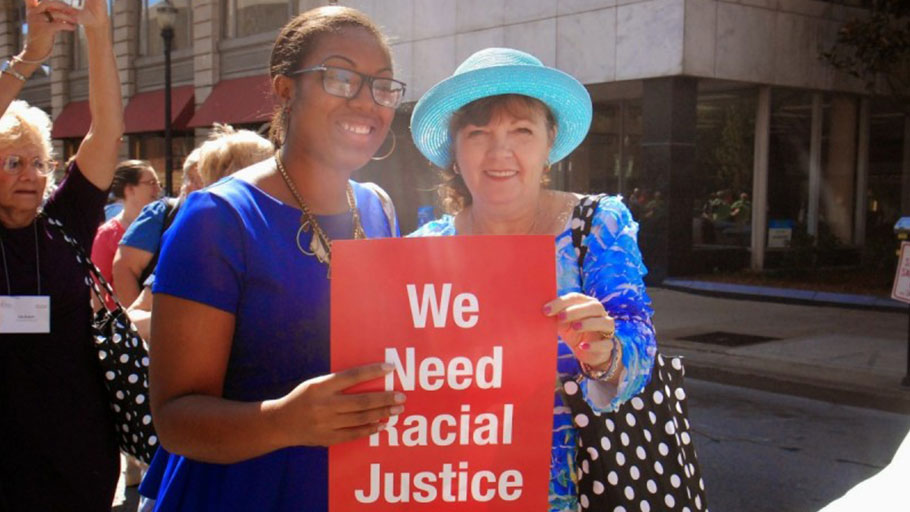

APRIL 5, 2019, NEWARK, NJ — Panelists from across the country shared their perspectives on the nature of the crisis and offered ideas for countering the devastating assault on Black communities.
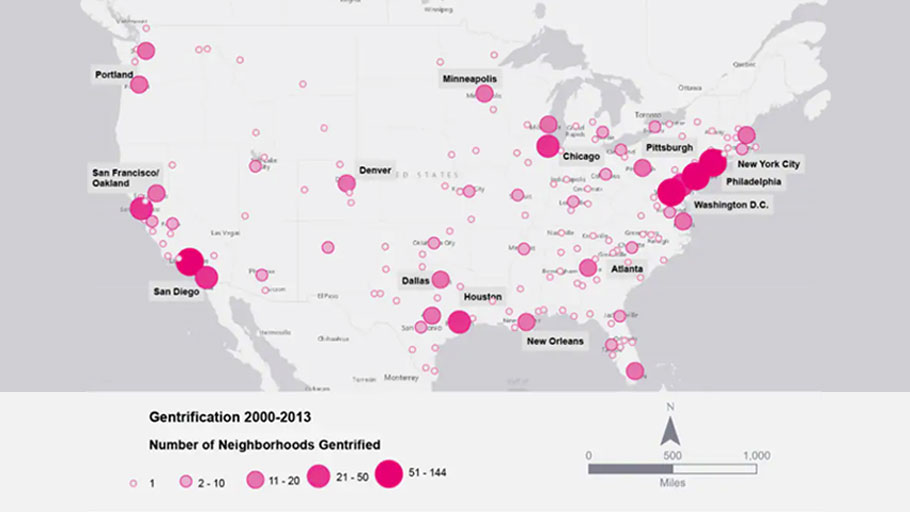
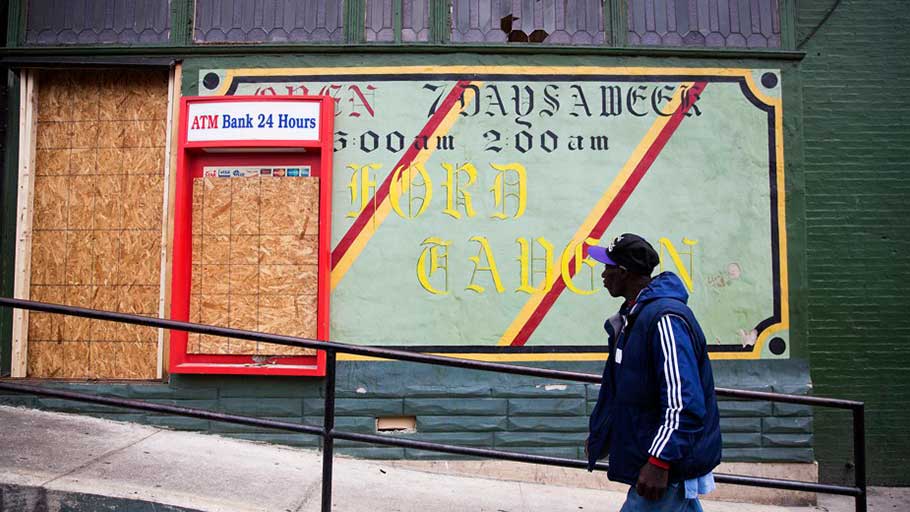
More than 20,000 African American residents were displaced from low-income neighborhoods from 2000 to 2013, researchers say. By Katherine Shaver, Washington Post — About 40 percent of the District’s lower-income neighborhoods experienced gentrification between 2000 and 2013, giving the city the greatest “intensity of gentrification” of any in the country, according to a study released Tuesday by the National Community Reinvestment Coalition. The District also saw the most African American…
The “Negro Removal” Program of the 21st Century National Town Hall Meeting to Assess the Crises of Gentrification in Black America WATCH: The Town Hall Meeting streamed live from the…
Since Freddie Gray’s death in 2015, violent crime has spiked to levels unseen for a quarter century. Inside the crackup of an American city. By Alec MacGillis, The New York Times — On April 27, 2015, Shantay Guy was driving her 13-year-old son home across Baltimore from a doctor’s appointment when something — a rock, a brick, she wasn’t sure what — hit her car. Her phone was turned off,…
By Brittney Drakeford and Ras Tafari Cannady II, Greater Greater Washington — The effects of historic discriminatory urban design practices, such as redlining and racially-restrictive zoning, are by no means relegated to…
By Jon Jeter, Truthout — Sen. Cory Booker’s announcement on February 1 that he is entering the 2020 presidential race brings the number of African-American Democrats seeking their party’s nomination to two, making the crowded primary field the “most diverse in history,” according to The New York Times. But while The New York Times, cable news and other liberal pundits exult in the White House bids of Booker and California’s junior U.S. Sen. Kamala Harris, African…
The solutions to Baltimore’s inequitable financing problems must be as radical as the policies that segregated the city in the first place, says Lawrence Brown. By Brentin Mock, City Lab — On December 19, 1910, the city of Baltimore passed an ordinance that a New York Times writer called “the most remarkable … ever entered upon the records of town or city of this country.” The ordinance made it illegal for any…
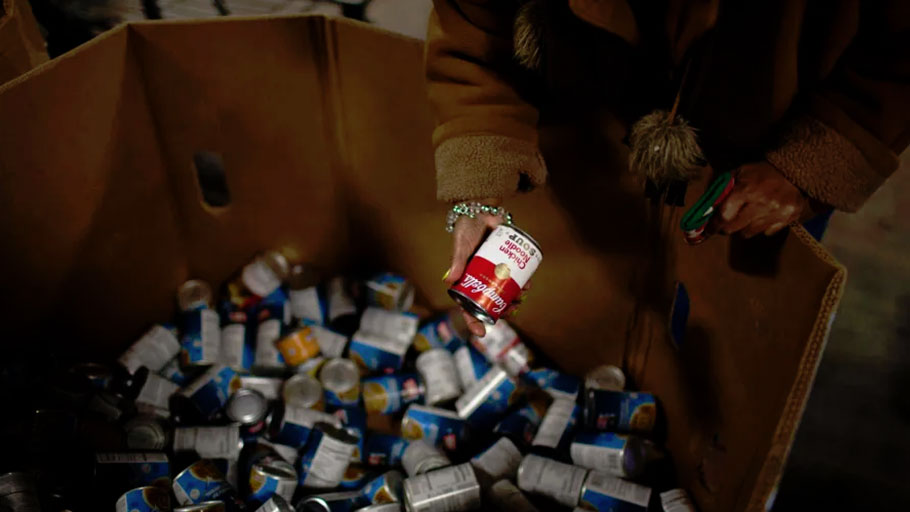
A new study found that people who experience discrimination are almost twice as likely as others to struggle with hunger. By Greg Kaufmann, The Nation — With more than 40 million people in the country struggling with hunger, anti-hunger advocates in the United States have their work cut out for them. In 2017, nearly 12 percent of all US households were food insecure—meaning they didn’t have access to enough food for all household members…
By Julianne Malveaux — Every year the Association for the Study of African American Life and History (ASALH) choses a theme for Black History Month. This year they have chosen,…
Atlanta, GA — The “Buy Black” movement draws the attention of a French news outlet. In this video you’ll hear from Killer Mike (Rapper, Activist), Dr. Boyce Watkins (Author, Economist),…
RECORDED 1/21/19 — Dr. Ron Daniels (President, IBW21) talks with callers and guest Rev. Dennis Dillon (Senior Pastor, The Rise Church, Brooklyn NY) about Dr. Martin Luther King, King’s vision, Economic Justice, the African Diaspora and the Year of the Return to Africa on this Martin Luther King Day edition of Vantage Point Radio.
By David J. Harris, Houston Institute Executive Director — Several weeks ago the Boston Globe published an opinion piece by editorial and staff writer David Scharfenberg in which he called for an “honest” commitment to racial integration. He dismissed the “gauzy 1963 version” of integration, insisted that “harping too much” on its virtues “can feel paternalistic,” and lamented the “disastrous busing experiment of the 1970s” which proved that “forced integration…simply doesn’t work.” Even so,…